The Country Church that Built Bucknell
What quietly slipped away from Bucknell’s better-known history was the influence of a small building less than a 20 minute drive from campus.
Although established in 1808, the White Deer Valley Baptist Church did not have a physical building dedicated to the cause until 1837. Until then, settler-owned cabins were the places that the 10 founding members used to congregate.
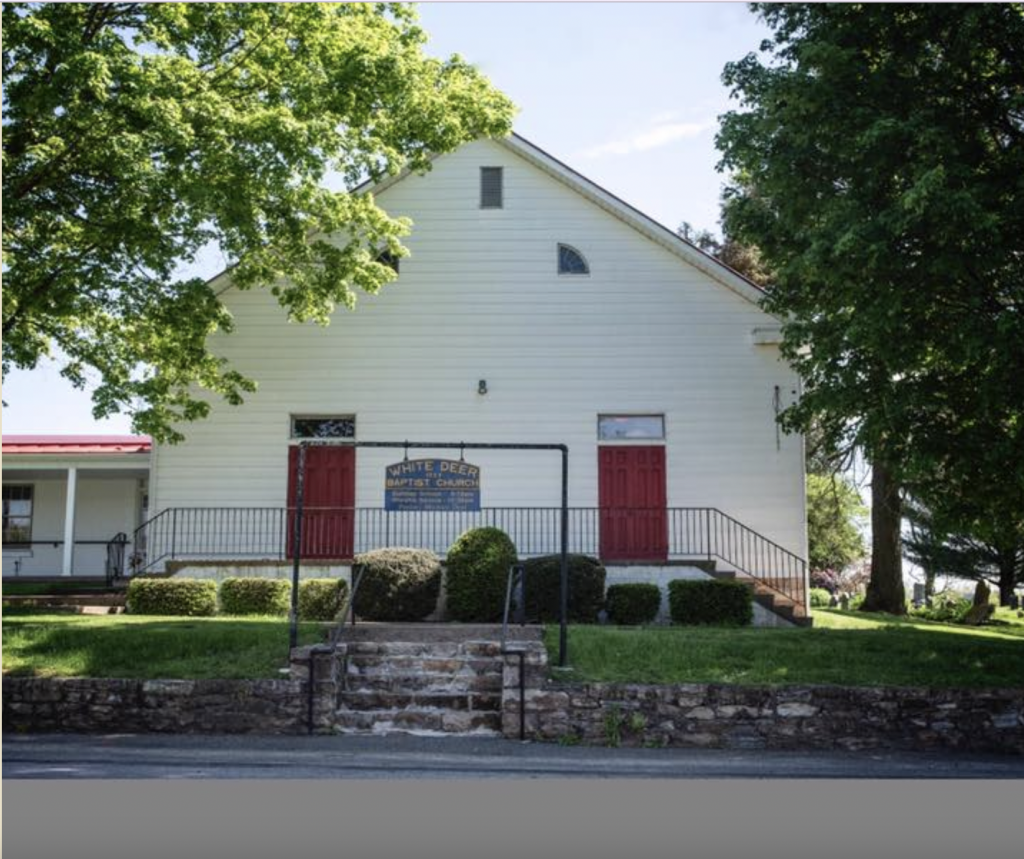
The church was 38 years old when the university was officially launched. Terry Snoddy, whose family goes back several generations at the church, provides insight on the connections between the church and the university.
Student Robert Lowry, upon graduation from Bucknell in 1854, was an interim pastor at the White Deer Baptist Church. Now recognized as a hymn writer for his work that lives on to this day, Snoddy notes that Lowry wrote some of the most well-known hymns for White Deer, including “Shall We Gather at the River” and “Christ Arose!”.
Subscriptions were needed to sustain its funding years after Bucknell was founded. In September of 1865, Snoddy said that the small church membership gave 75 dollars to the cause. Laughing, he added, “They paid our pastor only 250 dollars per year!”
The university and the church had a relationship in which these compensations were reciprocal. The church’s pastor at the time, the Rev. Joseph G. Miles – referred to by Snoddy as a “fundraiser” – was touring the state trying to collect money for Bucknell; in turn, Bucknell supplied White Deer with pastors.
Annie B. Moore was both a member of the small baptist church and of the well respected Moore family (James Moore was a co-founder and trustee of the university). “She was the church busybody,” Snoddy described.
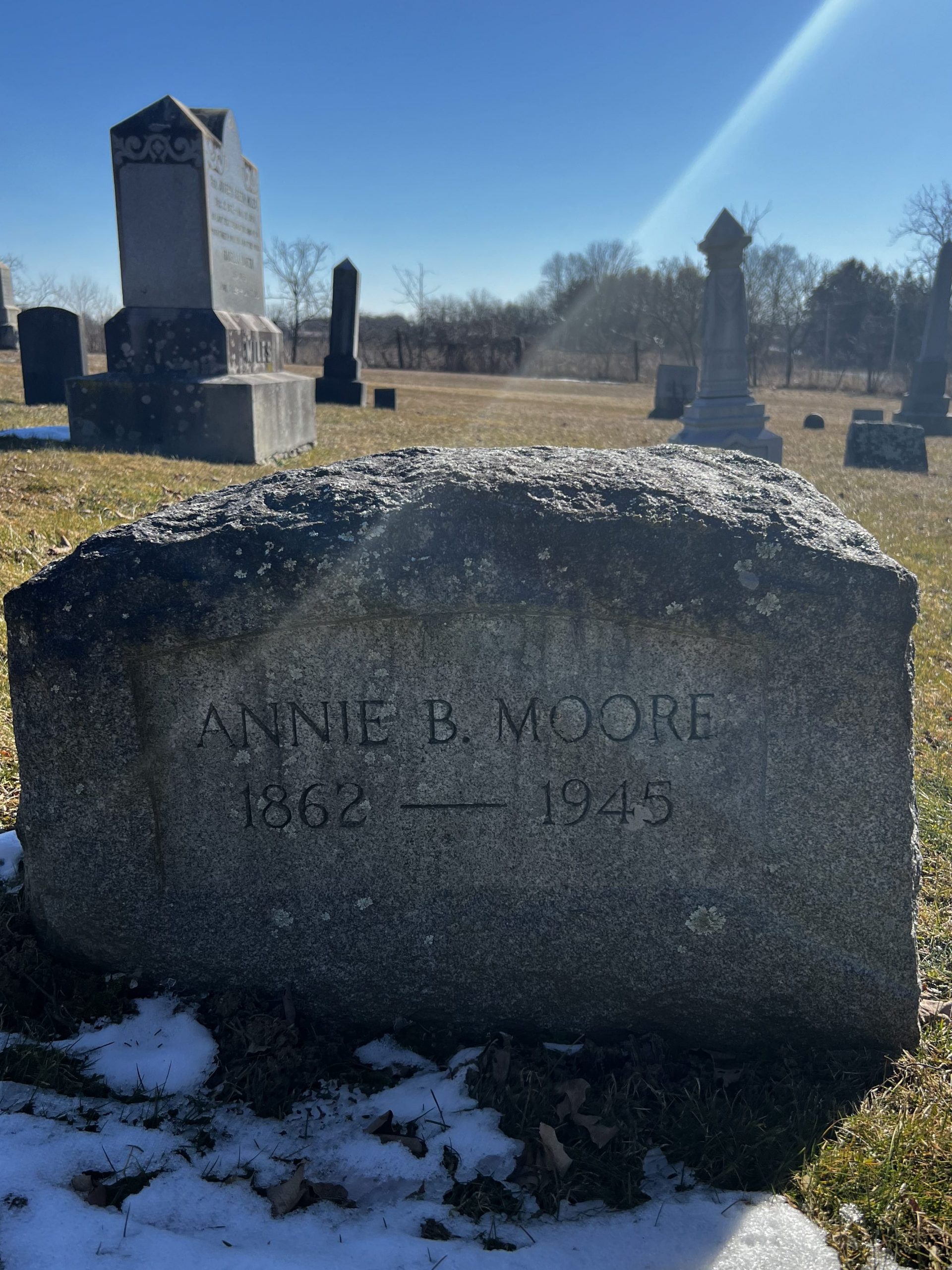
In 1942, the government had just seized 8,500 acres of the neighboring village of Alvira to build a TNT manufacturing plant and storage facility for World War II. Threateningly close to White Deer Valley, members were concerned for their homes and their place of holiness.
Snoddy shared the anecdote of how Annie B. Moore had enough political connections and raised enough commotion that the White Deer Valley Baptist church wasn’t taken; the building still stands today.
A Baptist Building Project, and its Lasting Charter
When the Lewisburg Baptist Church was organized in 1844, there was no way of predicting that in this basement, it would be the start of a university that still thrives today. Stephen Taylor–eventual acting president–laid the foundation by opening a high school here.
The Baptists of Pennsylvania were being sent to universities that are today known as Colgate, George Washington, and Brown. Northumberland Baptist Association recruited Professor Taylor from Madison University (now Colgate), and following this hire as the general agent, he began manufacturing a plan with a group of baptists.
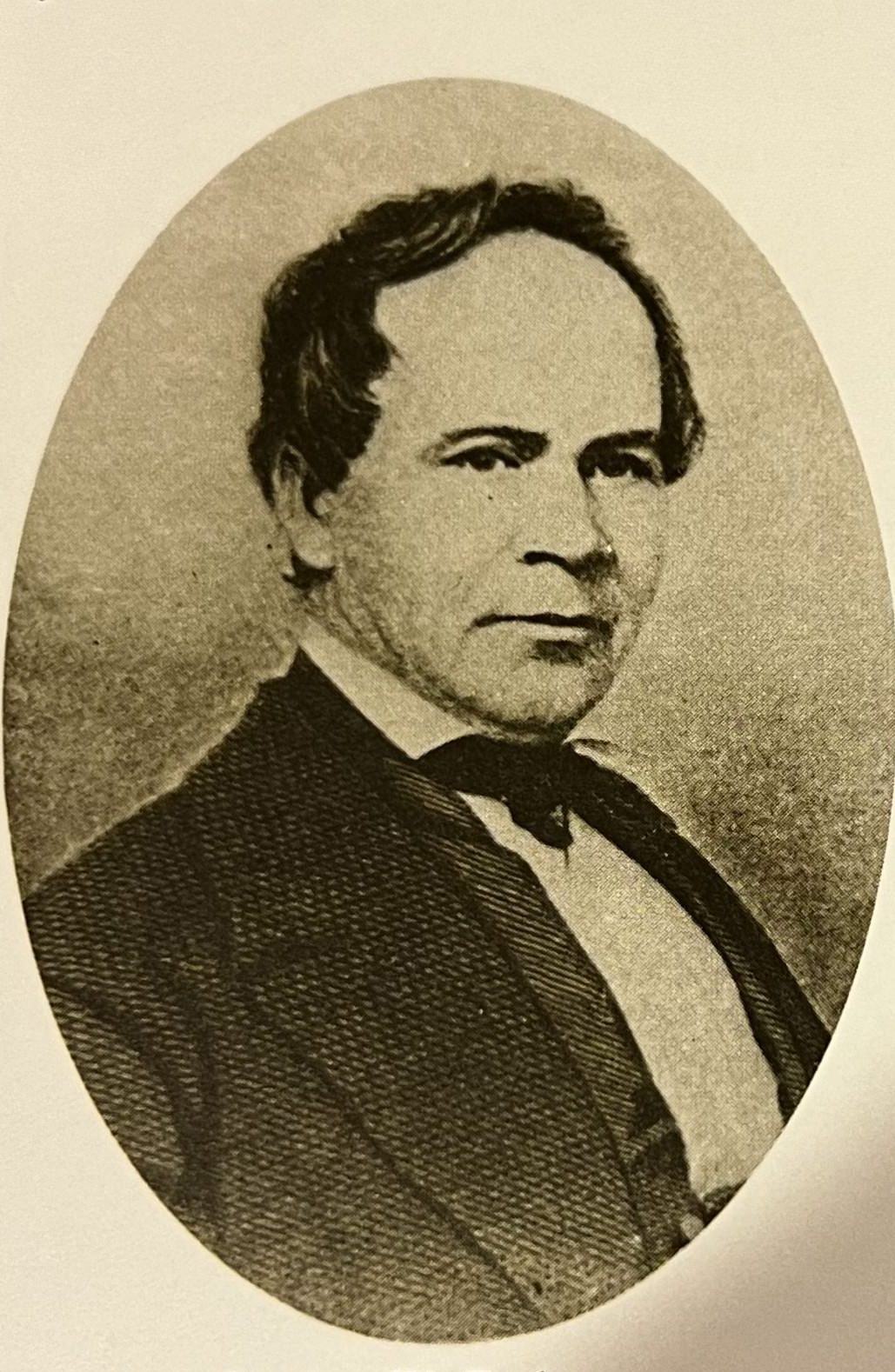
“He’s the one that worked on the documents needed to establish the university, including the curriculum,” said university archivist and head of special collections Isabella O’Neill.
One of those documents was the Bucknell Charter, which O’Neill deemed “the most important document for the university.” The Baptists went around asking for countless subscriptions to fulfill the amount required by the charter, where one boy contributed as little as 12 and a half cents.
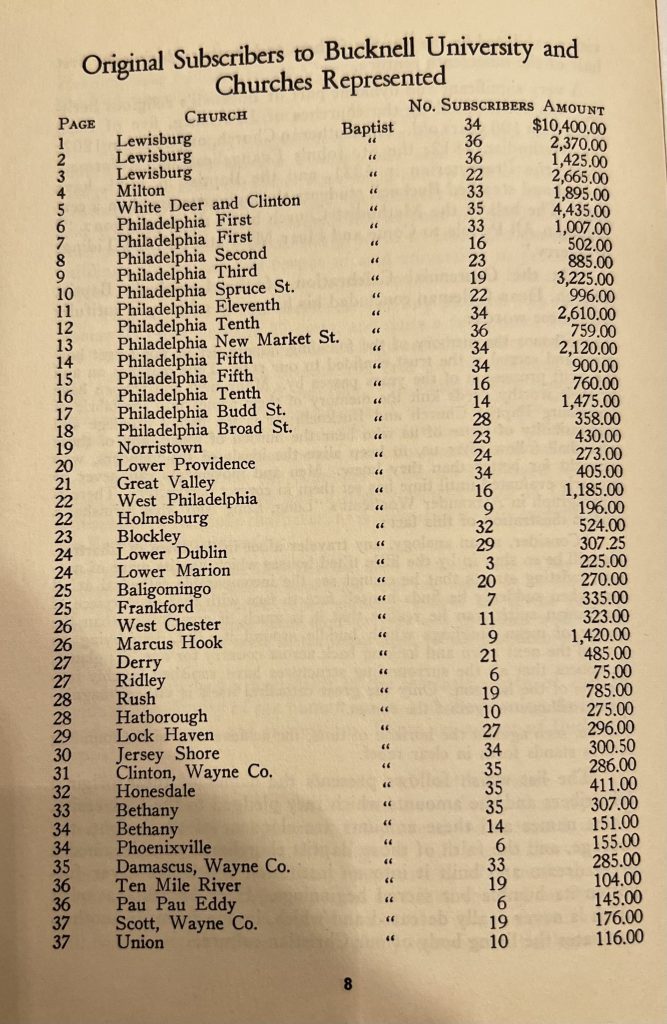
On February 5, 1846, dreams became tangible when the charter was signed by the governor of Pennsylvania.
The charter was deeply influenced by the Baptists’ religious background. Article II, Section 2 required all trustees to be regular members of the Baptist denomination.
Though Bucknell’s founders were heavily involved with the church, the university did not reflect a completely authoritarian view on religion: Article VII, Section 1 of the charter expressed that religious views are not to interfere negatively with the election of any faculty members, or admittance of any students.
This signaling the weakening of Baptist reign on the university happened nearly 92 years later. Amendments were made when an updated charter went into effect in 1938, requiring only a majority of the trustees to be members of the Baptist church.
Just a decade after the amendment, it was recommended that trustees be selected due to their valuable contributions–not their religious connections (Oliphant 361). Despite the board’s disapproval at the time, years later in 1953 there was a unanimous vote to decrease the majority of the board requiring Baptist affiliation to only one-fifth.
Although it is unknown exactly when the Baptist requirements ceased to exist completely, it is certain that they were abolished by the 1960s.
From a Religious to a Secular University
Seeing as Bucknell was founded by Baptists, it’s not surprising that the original charter stated its board members being Baptist as a mandatory rule, and likewise, Sunday morning chapel service. However, the institution that we know of today is entirely secular, with a range of religious groups: Catholic, Jewish, Muslim, Orthodox and Protestant.
How did these strict rules vanish, and what was the result? This transformative aspect of Bucknell was far from instantaneous; decades of small changes led to Bucknell’s current diverse identity.
“Baptist identity was central to the founding of the institution,” Kurt Nelson remarked, Director of Religious & Spiritual Life at Bucknell. A Protestant chaplain, Nelson oversees a multifaith team of chaplains, and leads worship for the community.
“Cultural identity really matters,” he continued, and that the institution is “founded in a way that makes sense.” Sunday morning chapel service was a large piece of the university’s religious roots, required until 1960.
The chapel service took place not in an actual chapel, but in what now is known as Davis Gym. Nelson recalls one of the most memorable events that took place here: the visit of Dr. Martin Luther King, Jr. in 1958, where he gave a Baptist sermon.
Shortly after this visit was the termination of required chapel service in 1960. The creation of an actual space dedicated to religion followed in Rooke Chapel, marking the transition of Bucknell’s identity into a secular institution.
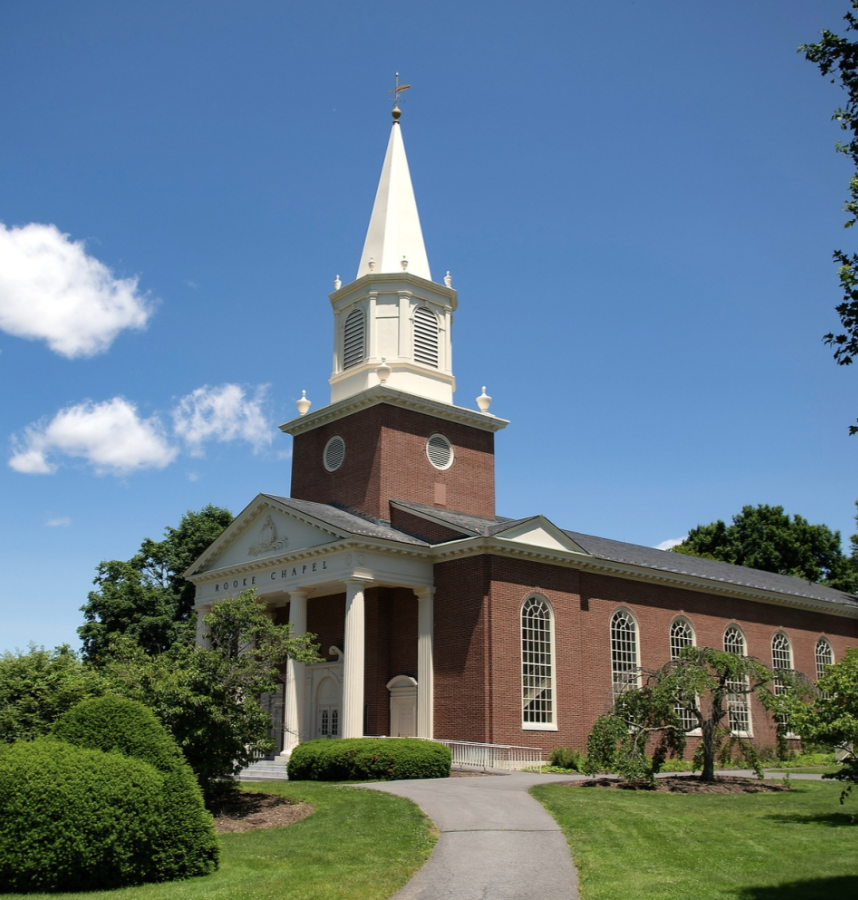
Professor of education Joe Murray said that “religious life has become more diverse in the time I have been here.” Murray’s teachings focus mainly on the American education system, and historical research methods.
Although Baptist representation on the board of trustees was no longer required by the 60s, he thinks it “became less influential pretty long before that.” Bucknell consisted mostly of Catholic and Protestant religions when Murray began working in 1994, but has grown since then–he remembers the Jewish life and the Muslim campus ministry growing during his time here.
Bucknell was loyal to its Baptist heart for decades on end. Now, the last vestiges of total Baptist reign can be found in the archives, campus life today bustling with religious diversity.
History Lives on Through John Crozer Chair of English
Not everything from the Baptist past has diminished. The John P. Crozer Chair of English Literature is survived by its current holder at Bucknell: Elena Machado Saéz, Professor of English.
Bucknell’s Department of Theology was quickly expanded in 1857. The Crozer Professor of Rhetoric was endowed at the university in 1865, a gift from the generous benefactor John P. Crozer himself to support scholars in religion.
After his death one year later, a seminary (college that trains students to become priests or ministers) was created in his name, separate from Bucknell. The esteemed Dr. Martin Luther King, Jr. gained his education at the Crozer Theological Seminary–he later visited Bucknell in 1958.
Within two years of the seminary’s formation, the trustees of the board and the seminary agreed to discontinue the Department of Theology.
One of the three original professors in the Department of Theology was Lucius E. Smith, reverend and Professor of Sacred Rhetoric and Pastoral Theology. He had the honors of holding one of the earliest positions of the Crozer Professor of Rhetoric.
Another was the hymn-writer Robert Lowry, who during his six years under this chair, was also a pastor at the Baptist Church in Lewisburg.
The current holder of the John P. Crozer Chair of English Literature is Professor Machado Saéz, who says she feels grateful that the “university values the humanities and the work that we do as researchers.” She has primarily taught contemporary American multiethnic literature since her hiring in 2015, and the funding that the title of the chair comes with enables her extensive research.
Machado Saéz received the award in 2021, and will hold the title until 2026. When accepting the award, it is tradition that the previous holder passes down a photo of Crozer–the only piece of history they have.
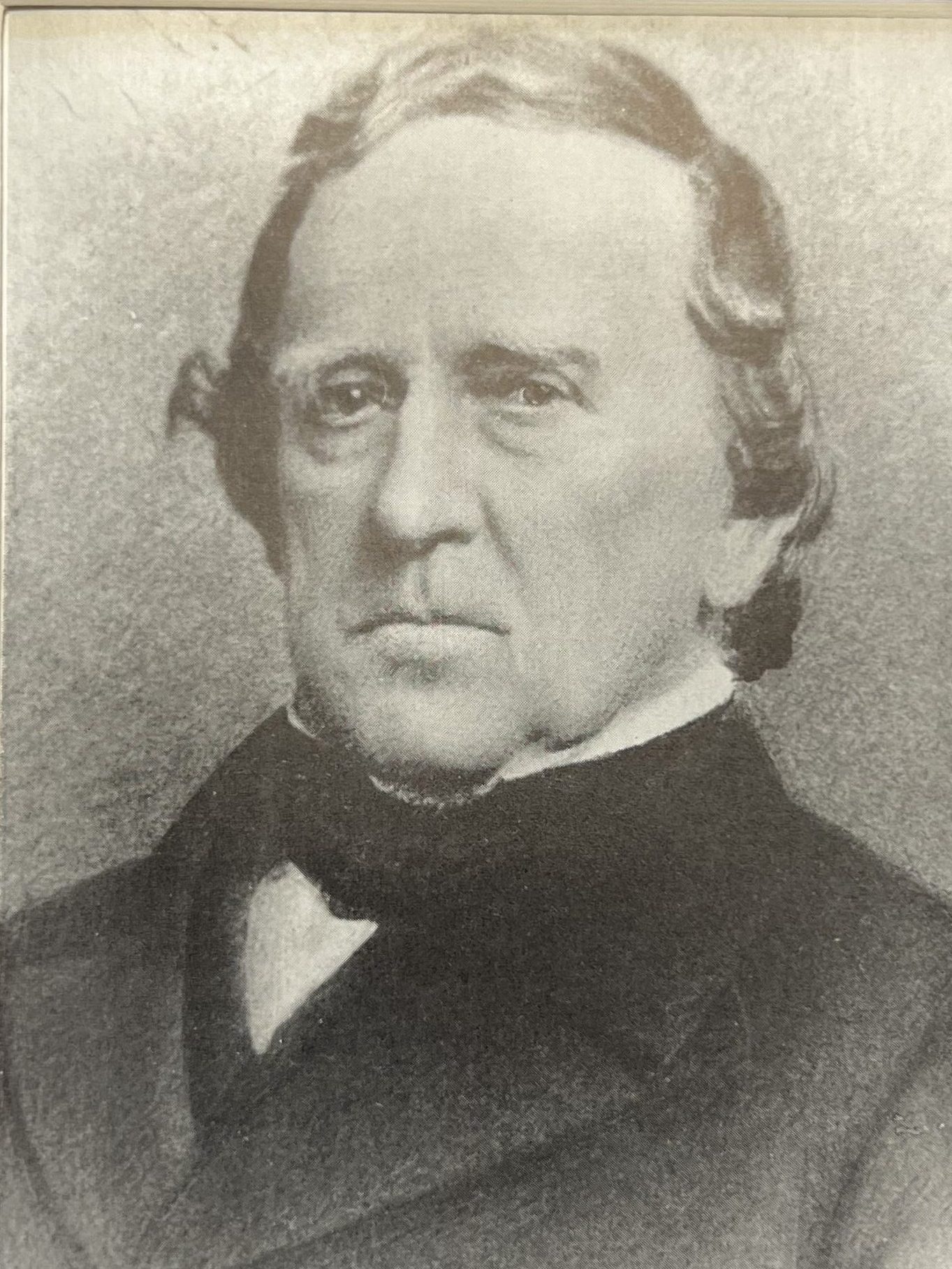
“The description of this endowment has no description of Crozer,” Machado Saéz said of her knowledge of Crozer. “I wanted to know what role he played in creating this.”
She initially wanted to write to the donors and thank them for their support of literary studies. However, there is no living donor for the chair.
Although it is unclear where the chair transitioned from theology to English, she finds sense in the evolution. The professor said the subjects both involve “fundamental skills of someone who has knowledge and speaks to the language of the work, that can train and teach students to have those same interpretive skills applicable to any text.”
Recommended readings:
- Bucknell’s Baptist Beginning (Romeyn H. Rivenburg)
- Deeds of the Valley: The Lands That Became the Ordnance (Paul C. Metzger)
- The Rise of Bucknell University (J. Orin Oliphant)
Click here for access to all interviewees mentioned in this article.